Martinez window style guide
Window Types for Martinez Homes: Compare proportion, operation, and egress for each opening.
Start with a room-by-room list that connects product, safety, and character questions. Choose how each window opens around the way the room is used, then compare ventilation, reach, cleaning, egress, screens, frame shape, and view. For Martinez, judge each style against the measured opening, room needs, exterior character, operating style, and finished appearance. The best operating style is the one that fits the room, opening, outside clearance, and daily use.

Window types
Match the way a window opens to view, airflow, reach, and daily use.
For each Martinez room, test the window's movement against reach, furniture, screens, cleaning, exterior clearance, view, and the amount of ventilation needed.

Give Double-hung, Picture, Casement, and Geometric distinct room assignments
In Martinez, choose operation from how the room is used and a room-by-room list that connects product, safety, and character questions. A style earns its place when it gives the opening the right balance of airflow, view, privacy, reach, and nearby clearance.
Our team photographs the room and records the location, field dimensions, operating type, existing-frame condition, exterior finish, and whether the opening itself will change. Traditional proportions and fixed architectural shapes sit beside modern operating styles so character and verified performance can be considered together. For the Martinez shortlist, our team reviews view, airflow, privacy, reach, furniture, cleaning, safety, egress, and outside clearance before recommending how the window should open. Other styles remain available when the measured opening gives them a clearer purpose.

Require every operation change to solve a recorded problem
Changing the way a window opens can also change screens, hardware reach, sash clearance, ventilation, view, and the exterior arrangement. Our team confirms which of those changes is meant to improve each Martinez room.
Share the priority rooms and desired operation. Our team identifies sleeping rooms, safety-glazing locations, and changes in clear opening during the in-home estimate. Moving from sliding to projecting, hung to fixed, or one grouping to another can change screens, hardware reach, sash clearance, egress, view area, alignment, and local review requirements. The consultation uses the measured opening, room needs, exterior character, operating style, and finished appearance to explain the proposed Martinez change and keeps a familiar operation when no better purpose is established.

Carry the window type into an exact product and installation line
A style name alone does not identify frame width, glass area, hardware, size limits, ratings, or finish. Keep the exact proposed window tied to the measured opening and the installation method.
Determine whether the address is within a mapped historic-review area or involves a designated resource before changing proportions, trim, material appearance, or divided-light patterns. One operating category can have different frame widths, meeting rails, sash proportions, locks, hardware, reinforcement, screens, glass packages, size limits, and ratings across collections. Our team connects the frame, sill, stucco or siding, interior trim, water path, access, and neighboring windows, retained materials, frame and sill condition, water and air treatment, trim, and exterior restoration, and adjacent-window relationships to the exact proposed window and finished edge.
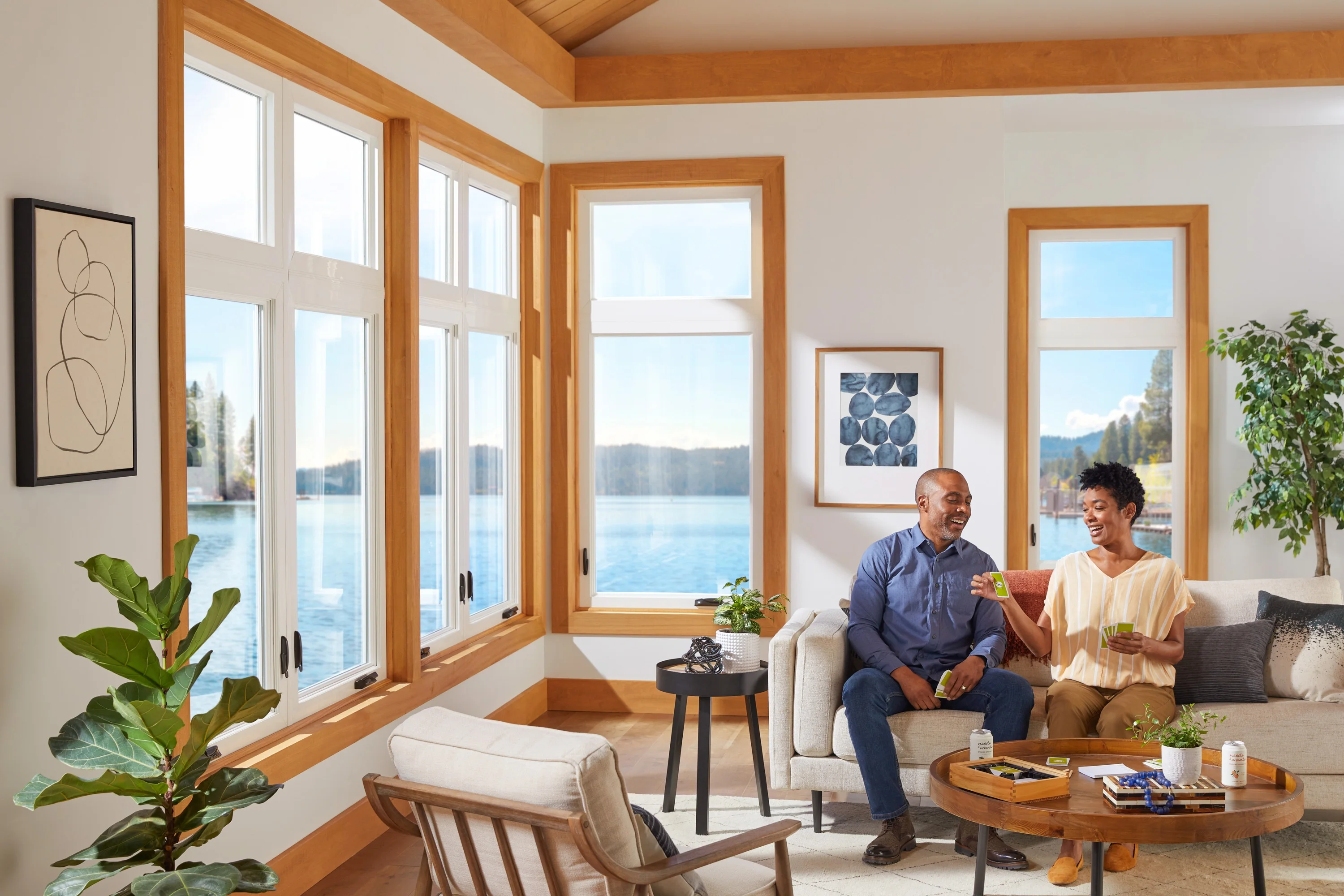
Window types
The right window style should feel natural in the room.
For each Martinez opening, compare how sliders, hung windows, casements, awnings, fixed glass, and projecting styles affect airflow, reach, view, and nearby space.
Choose by everyday use
Decide how the window should open before choosing its look.
The operating style changes where the handle sits, how much air can enter, where a screen goes, how the glass is cleaned, and whether furniture or an exterior path is in the way.
Check reach, furniture, and walking paths
Compare ventilation, screens, and cleaning access
Keep views and neighboring window lines in the decision
Weather-aware window types for Martinez
Compare proportion, operation, and egress for each opening.
Put exposure, closing behavior, and perimeter conditions beside every ventilation choice. For windows in Martinez, compare ventilation, reach, cleaning, egress, screen placement, frame dimensions, and view for each room.
Traditional proportions and fixed architectural shapes sit beside modern operating styles so character and verified performance can be considered together.
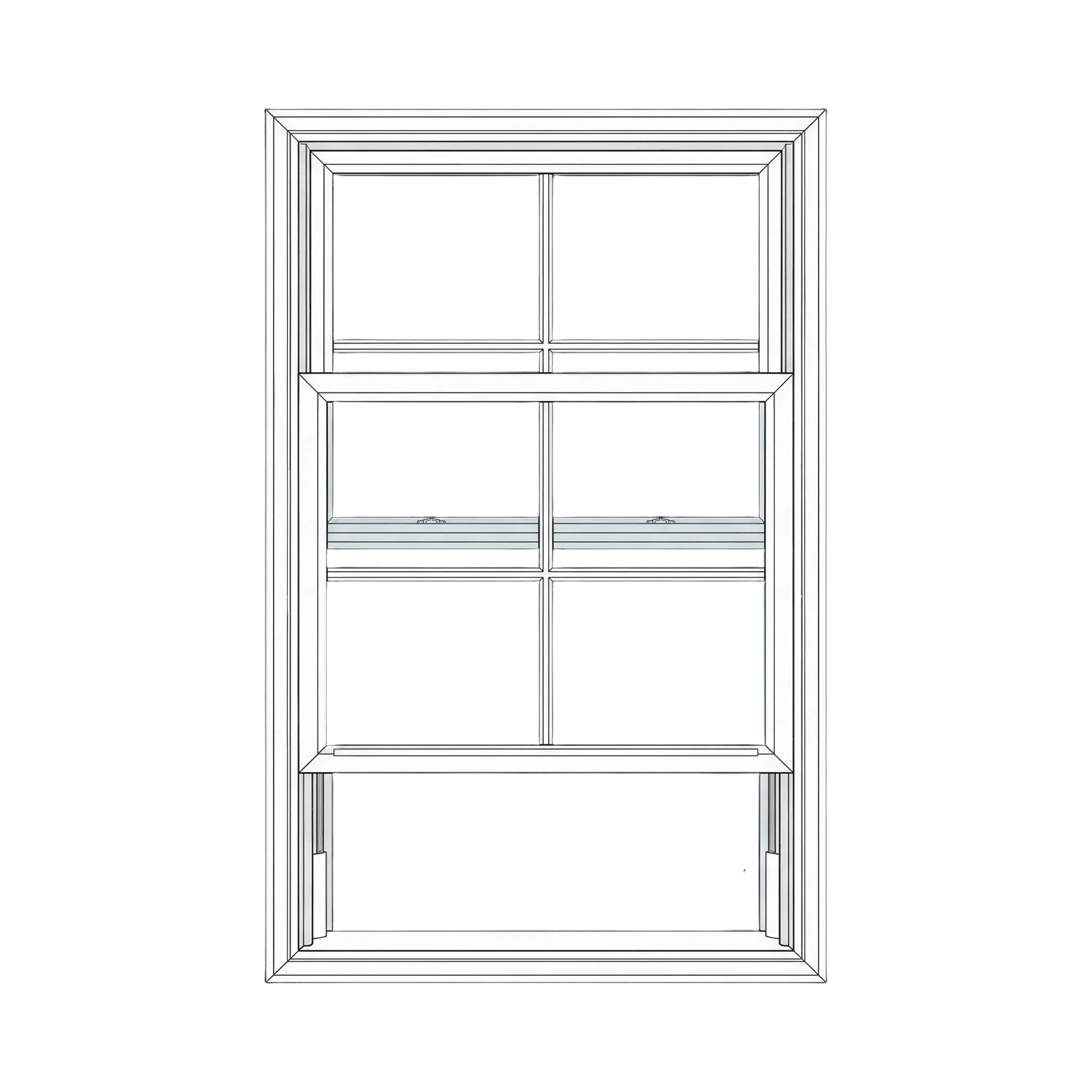
How it opens
Single-hung
Only the lower sash travels vertically; the upper portion of the unit stays fixed.
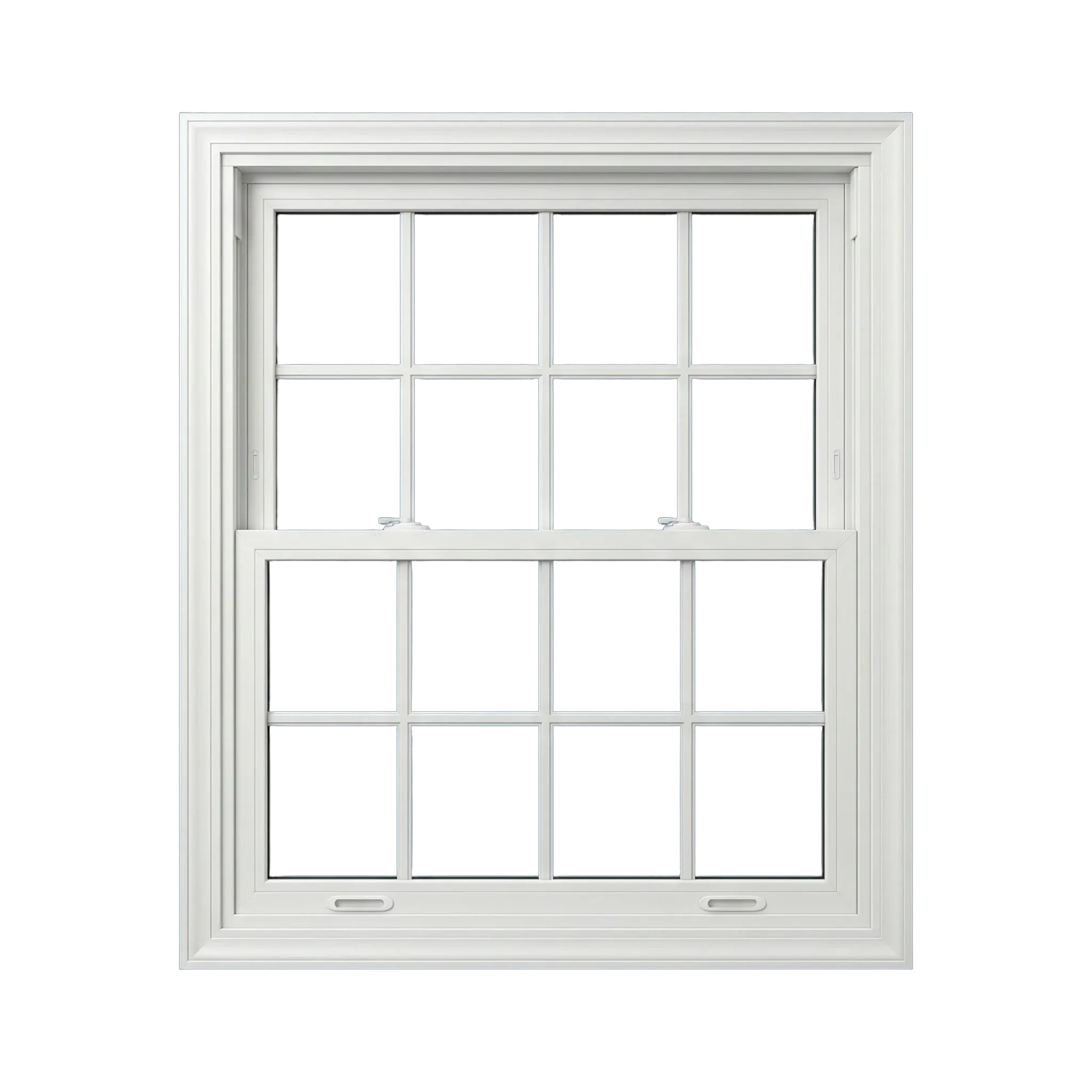
How it opens
Double-hung
Both the upper and lower sashes move within the frame to vary the open area.
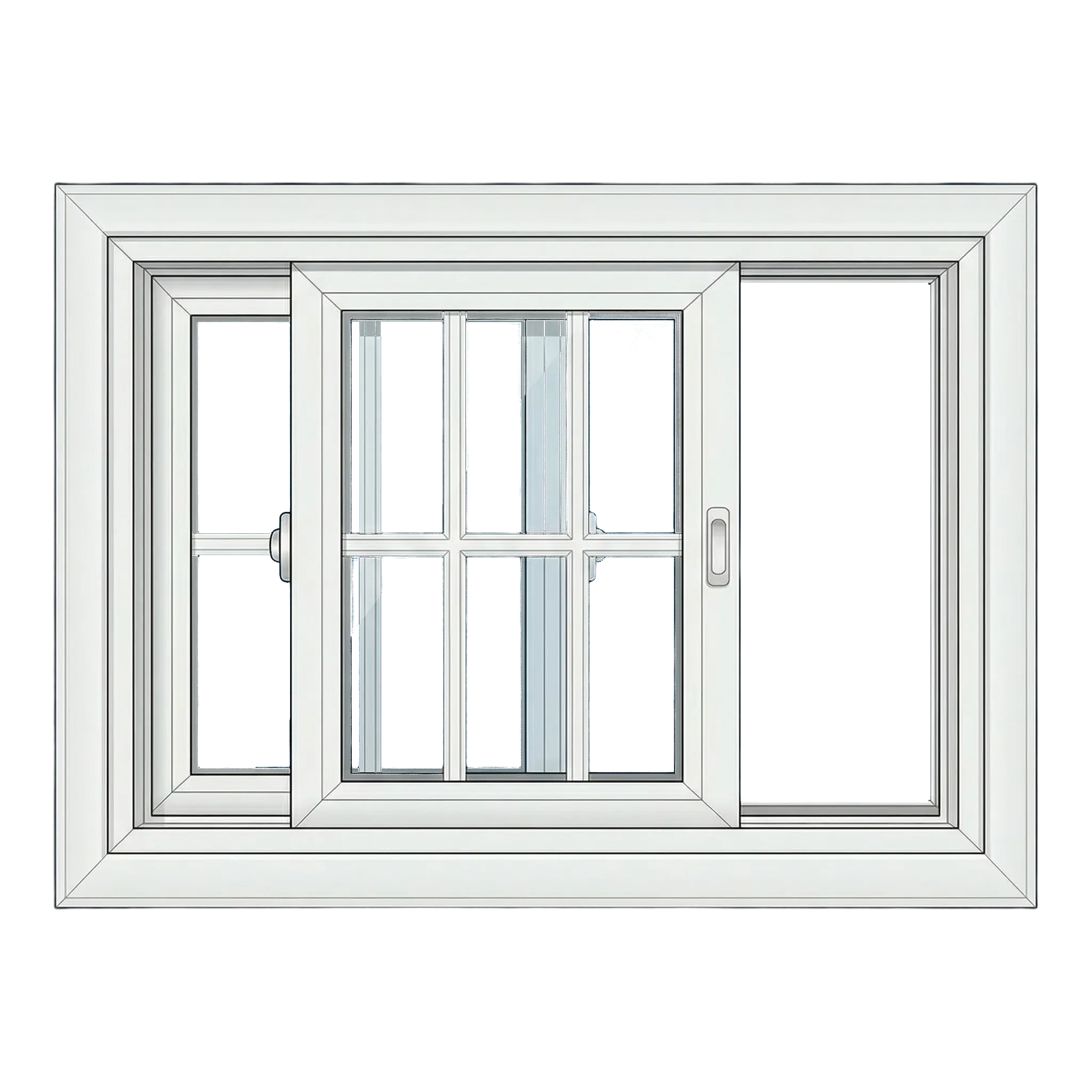
How it opens
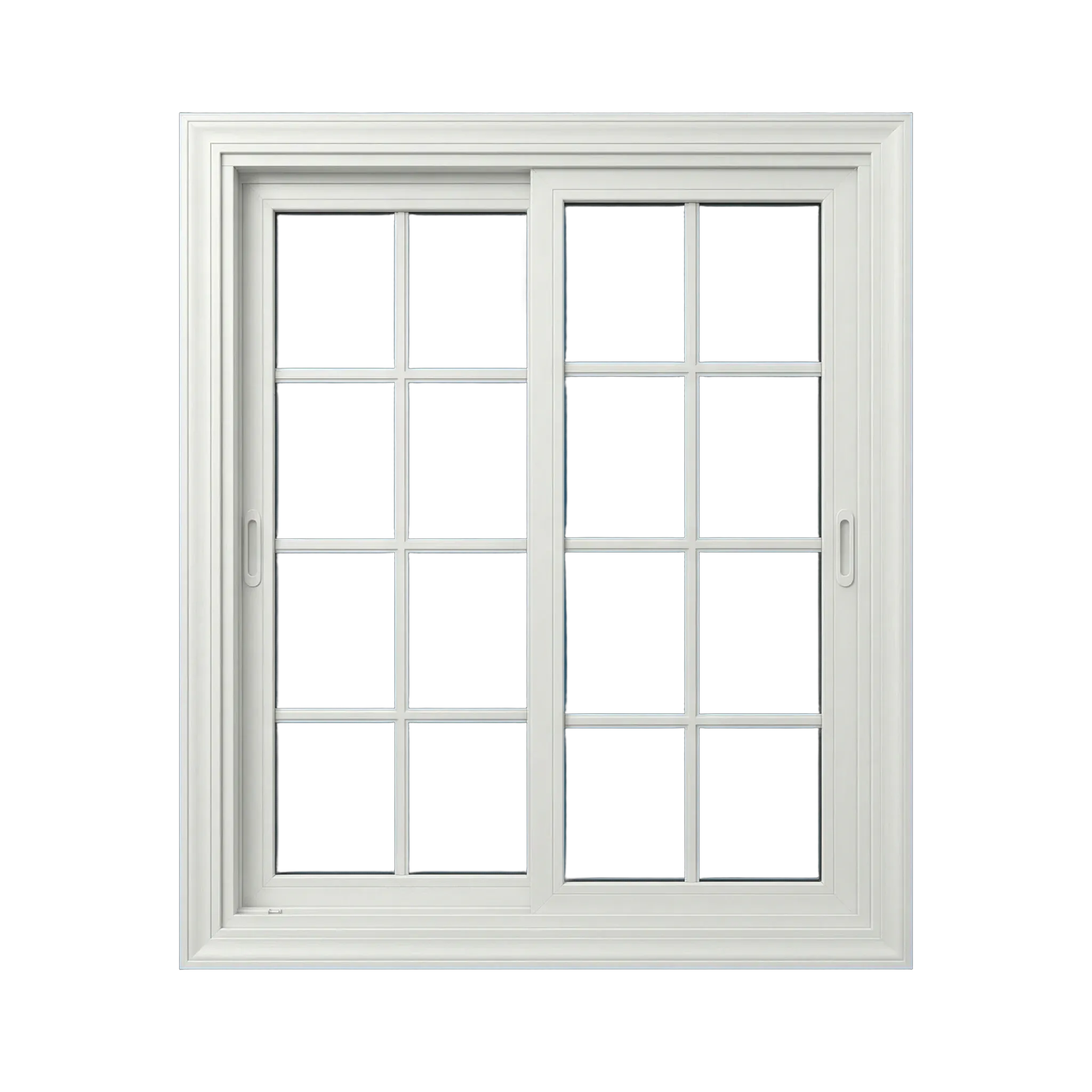
Single slider
A moving sash rolls or glides beside a stationary sash on a horizontal sill track.
How it opens
Double slider
Each horizontal sash can travel, creating operable joints and ventilation on both sides.
How it opens
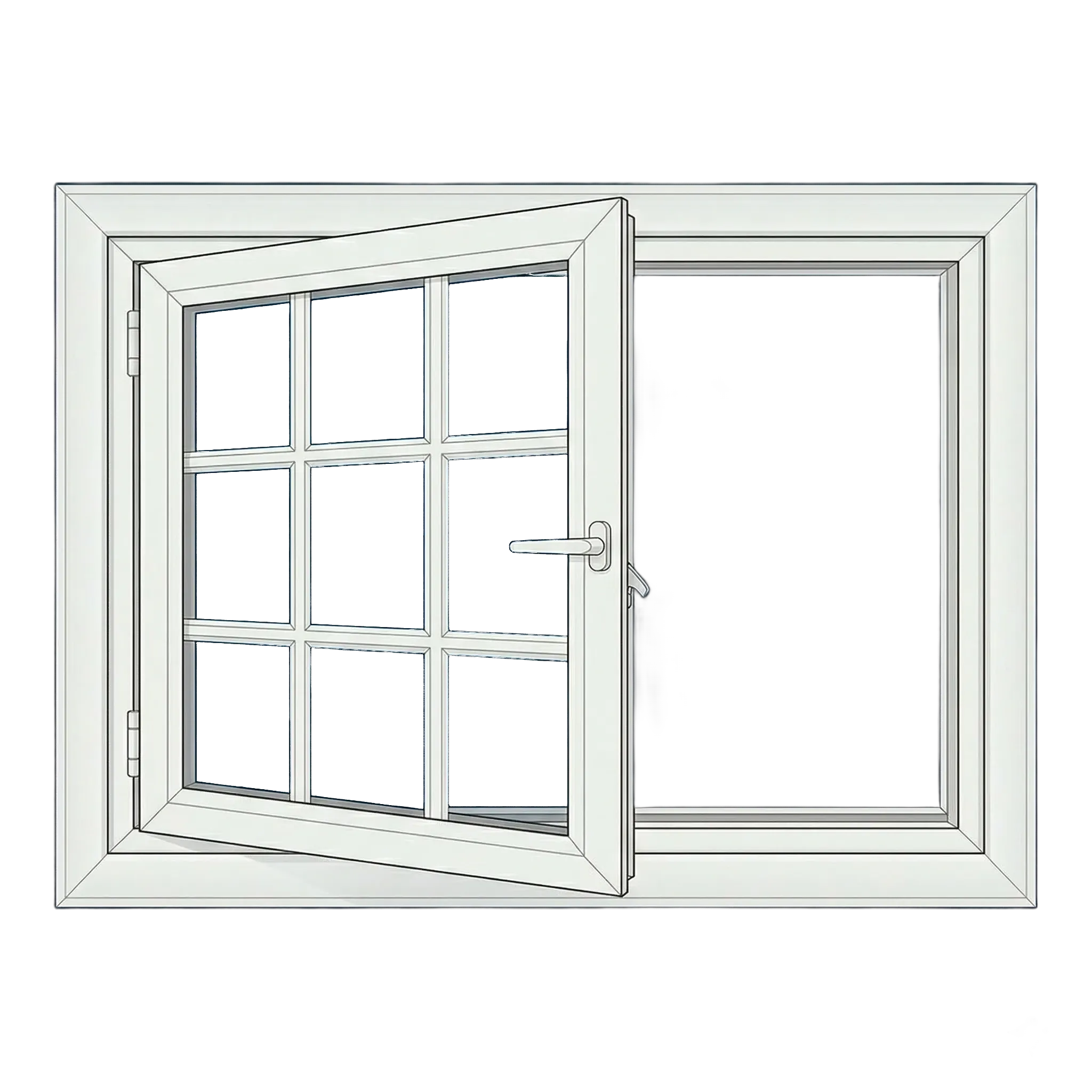
Casement
Side hinges and a crank move the full sash outward and draw it closed again.
How it opens
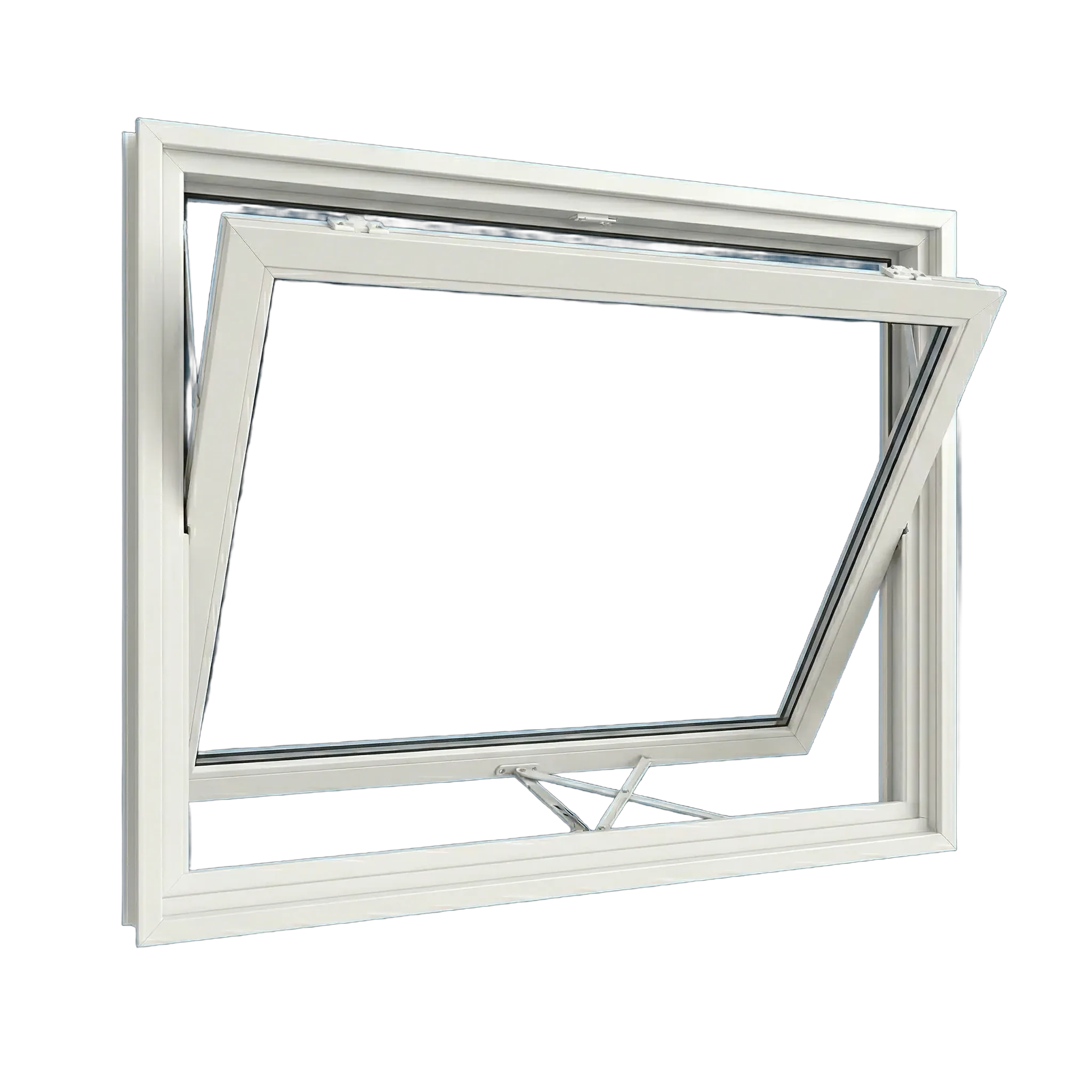
Awning
A top-hinged sash projects outside while its upper edge remains attached to the frame.
How it opens
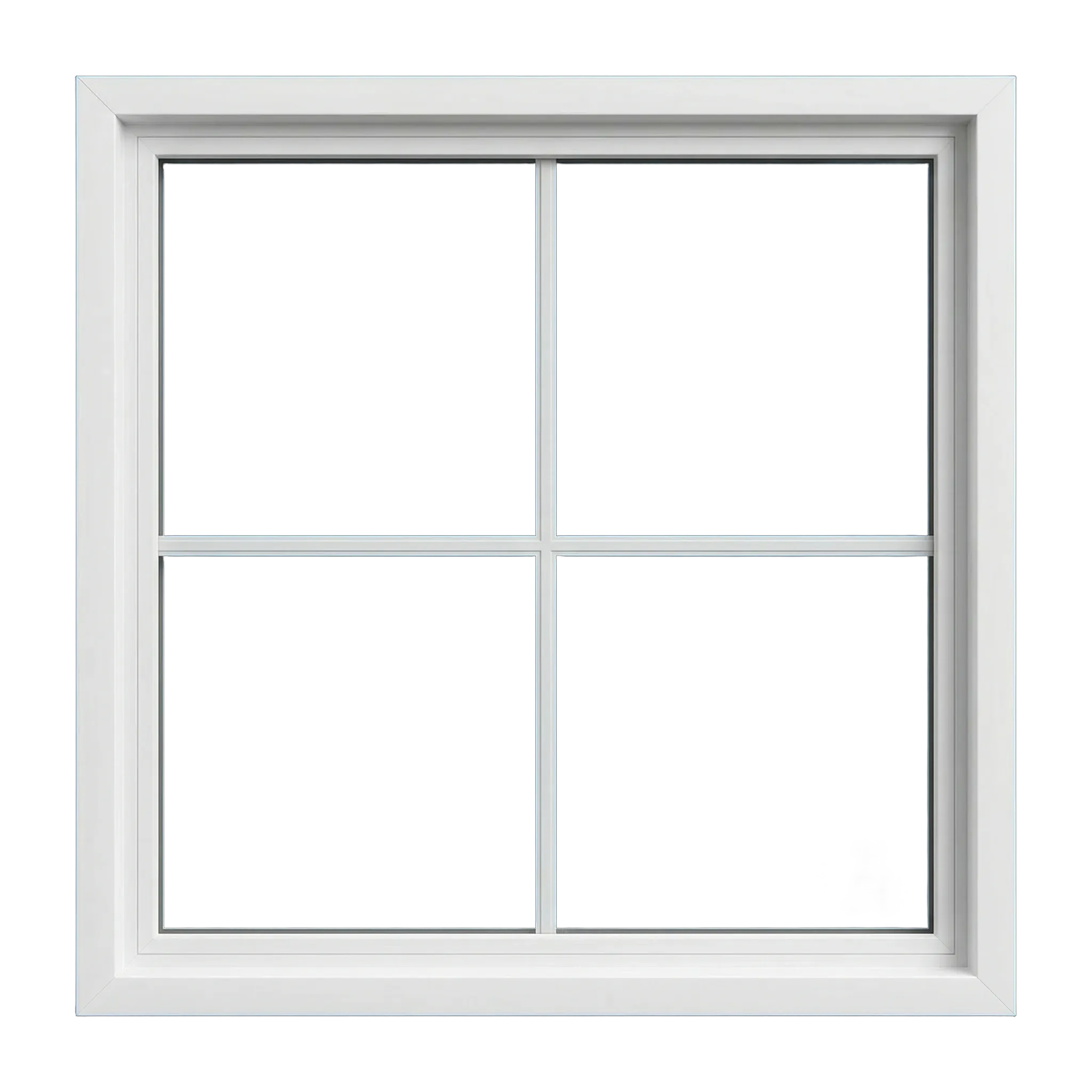
Picture
With no moving sash, this fixed unit dedicates its glass area to light and view.
How it opens
Bay & bow
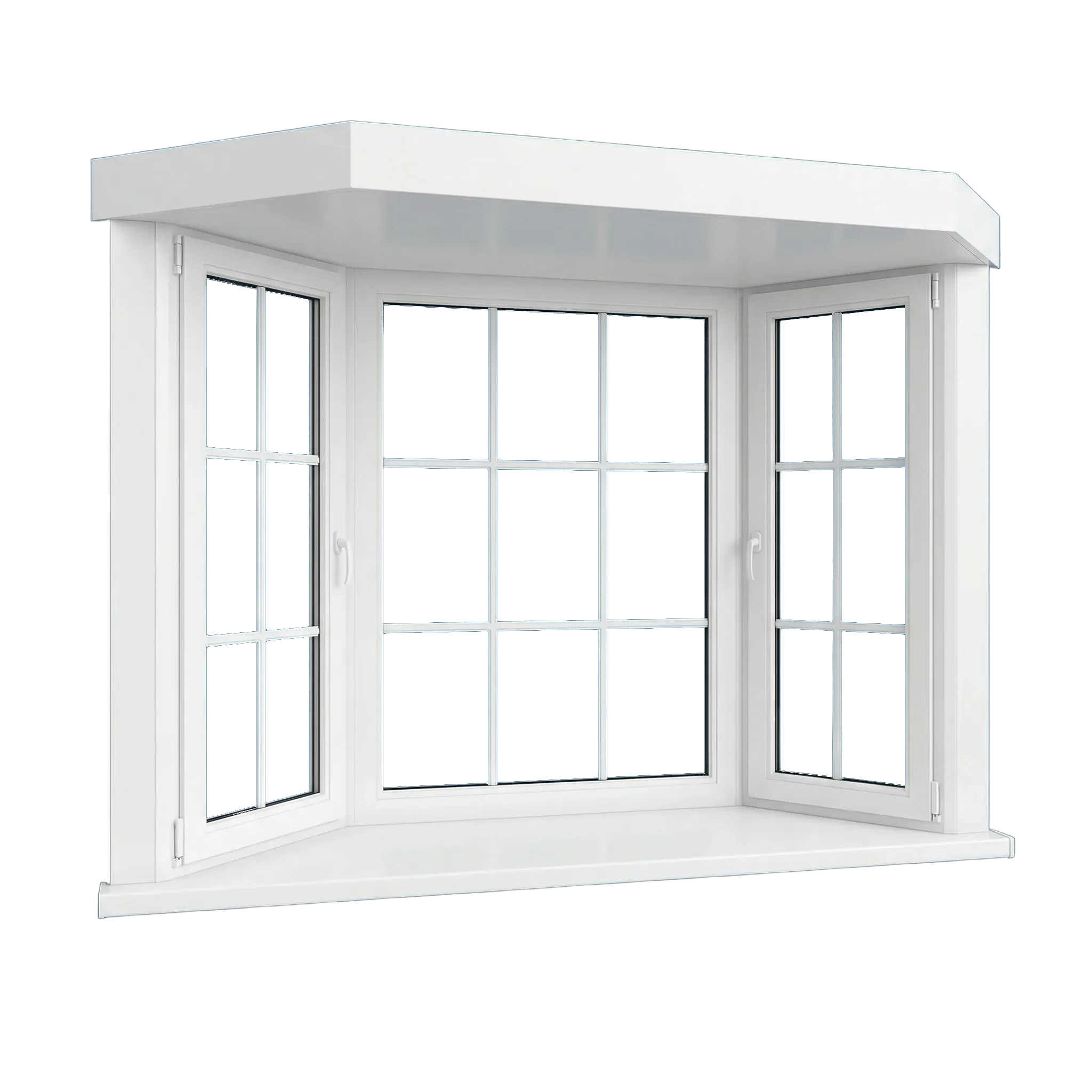
Three or more connected units project outward, creating additional head, seat, and perimeter edges.
How it opens
Garden
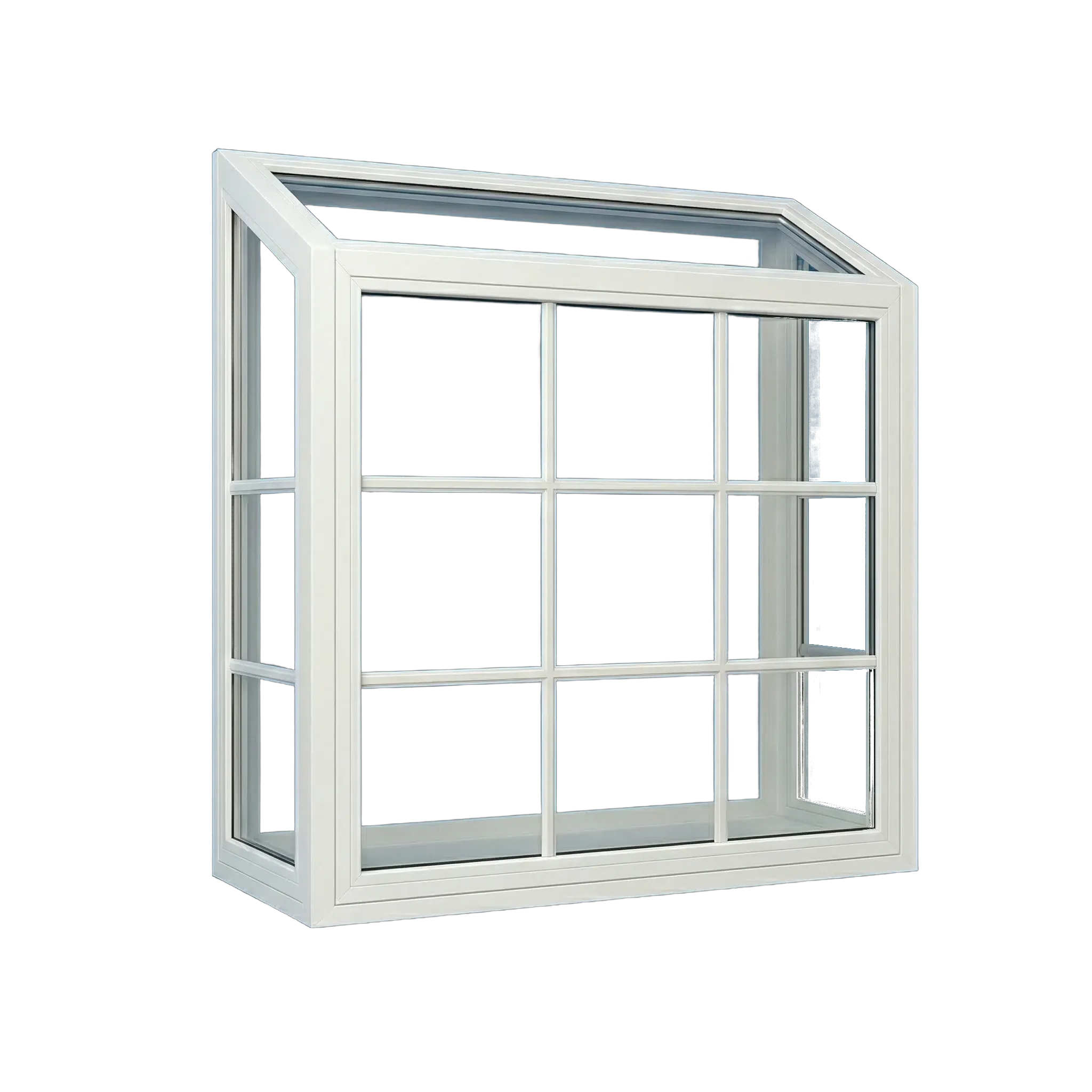
A shallow glazed enclosure extends beyond the exterior face and provides a small interior shelf.
How it opens
Geometric
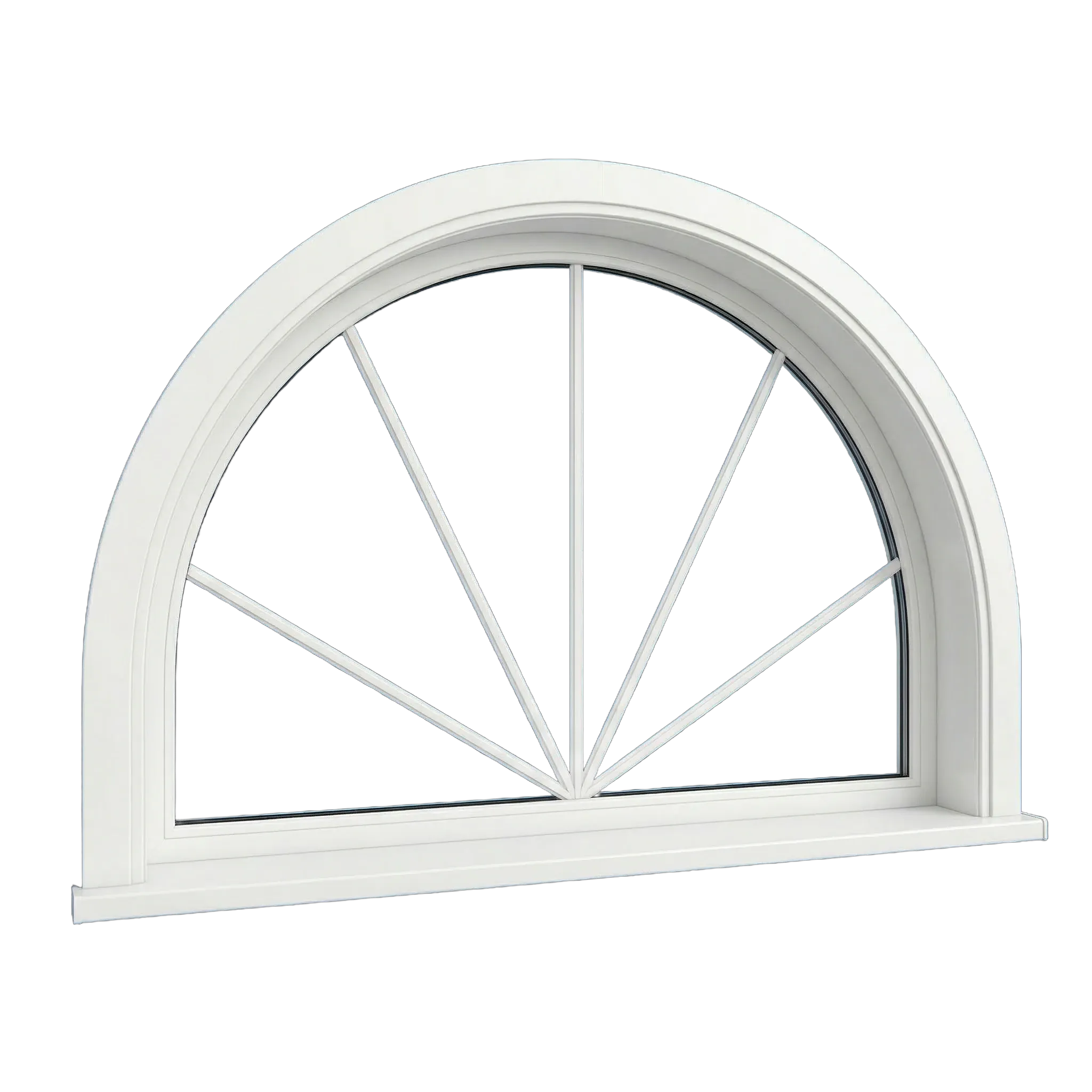
Fixed curved or angular frames shape the opening without adding an operable sash.
Plan the next step
Window-type selection prompts
Choose Martinez operating styles by daily use and airflow while respecting sash proportions, trim, specialty shapes, and neighboring window groupings.
- Room and opening context: the measured opening, room needs, exterior character, operating style, and finished appearance
- Does the room need ventilation or only daylight and view?
- Which direction can the sash move without conflict?
- Can the lock and operating hardware be reached comfortably?
- Do egress, safety-glazing, privacy, or cleaning questions apply?
- How should the opening align with neighboring windows?